WHERE’S WILDLIFE • WILDFLOWER FIELD GUIDE

Virginia Ground Cherry

Physalis virginiana
NATIVE • WILDFLOWER

At a glance

Family   Solanaceae · potato family
Life cycle   Perennial
Blooms   June–August (Upper Midwest)
Height   1–2 feet
Light & habitat   Part shade, sun; sandy soil, prairies, waste areas, along railroads

Common names
Virginia Ground Cherry

Bloom timing and mature height vary with location and growing conditions. Sources: Minnesota Wildflowers.

Range Map

Explore photographed sightings and their locations.

View photos & full species guideHide photos & full species guide

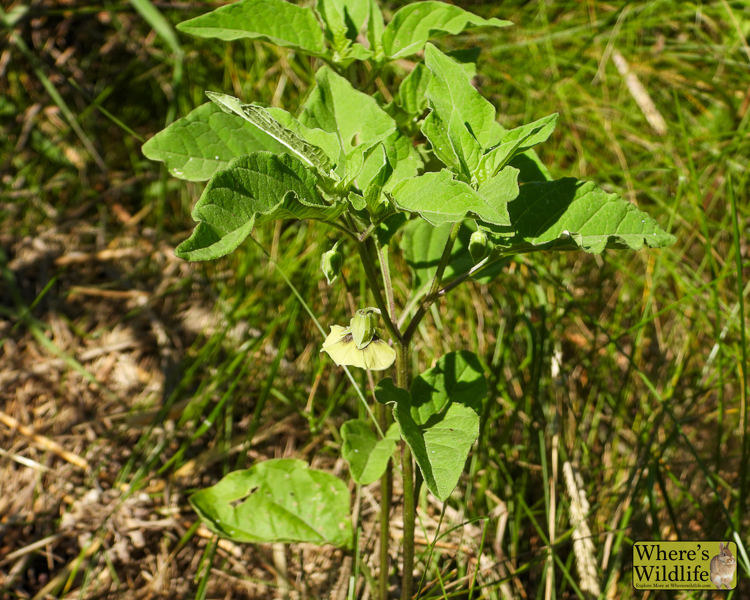
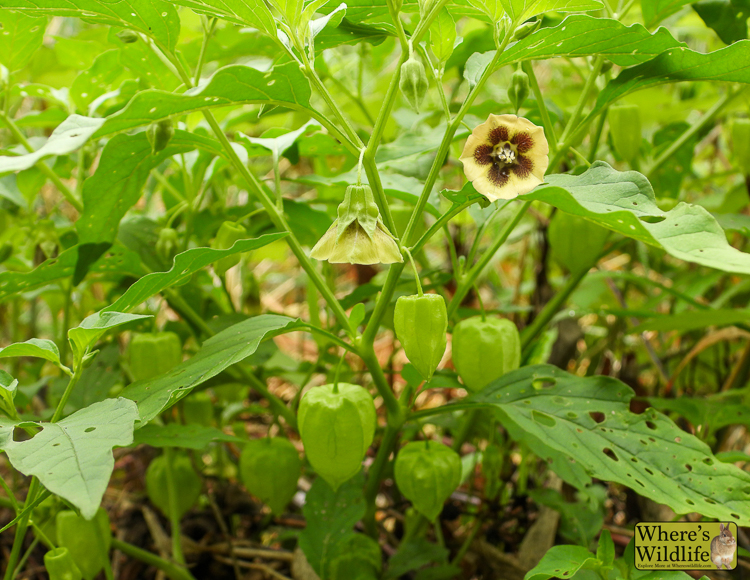
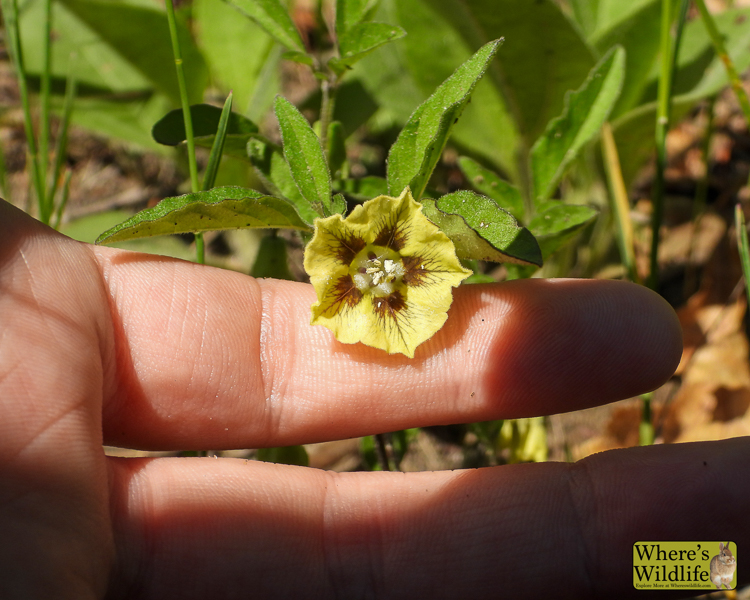
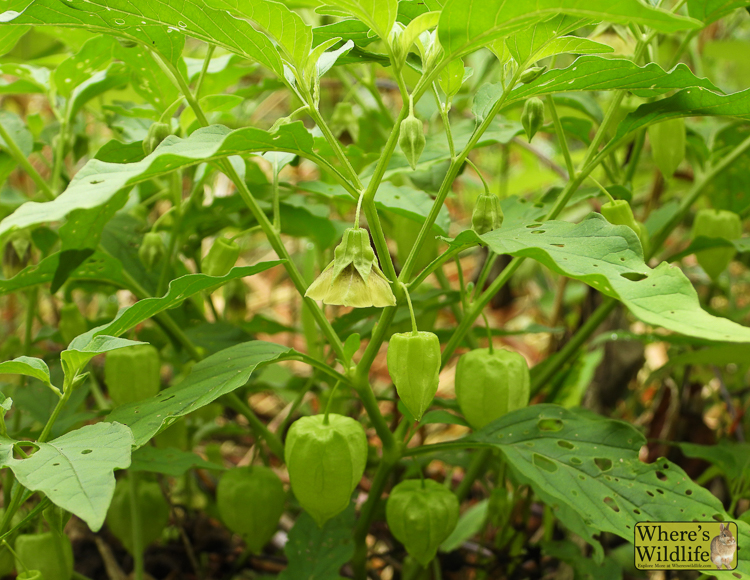
Field photographs

Compare flowers, foliage and the plant in its habitat. Select any photo to enlarge it.

How to recognize it

Key identification clues

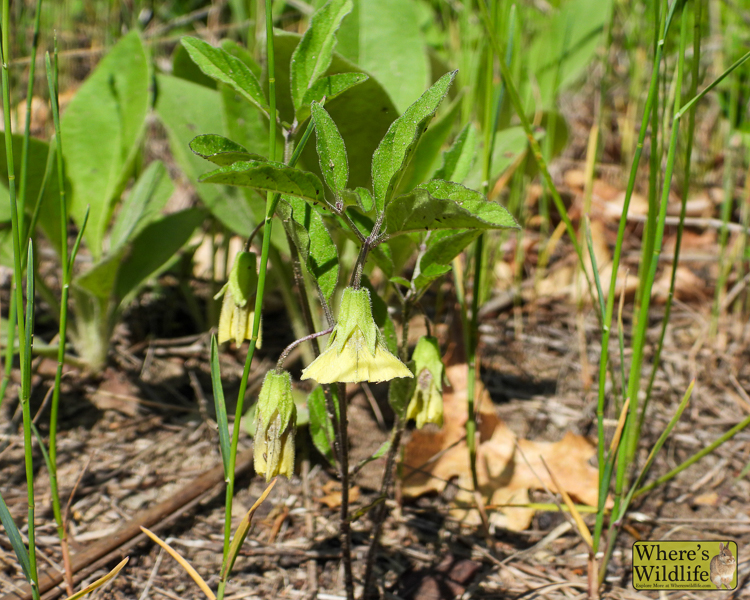
Look for alternate leaves, hairy angular stems and pale yellow flowers with five dark purplish blotches inside. Leaves often narrow toward a wedge-shaped base.

Where and when to look

Prairie Wildflower
Blooms: June – August

Habitat: Virginia Ground Cherry prefers full to partial sun with mesic to dry conditions, and soil containing loam, sand, gravel, or rocky material. Look for Virginia Ground Cherry in rocky or sandy woodlands, upland savannas, open disturbed woodlands, rocky glades, hill prairies, disturbed areas of prairies, stabilized sand dunes, gravelly or sandy areas along railroads, margins of cropland, abandoned fields, and barren waste areas.

Range & sightings

Native to parts of North America, including the United States.

Reported U.S. distribution
AL, AR, CO, CT, DE, GA, IA, IL, IN, KS, KY, LA, MA, MD, ME, MI, MN, MO, MS, NC, ND, NE, NH, NJ, NM, NY, OH, OK, PA, SC, SD, TN, TX, VA, VT, WI, WV, WY

State records describe documented distribution, not presence in every county. A state record alone does not establish that every population there is native. The observation map shows reported sightings and may include cultivated plants.

Distribution source: USDA PLANTS.
Observations show reported sightings; they do not define the plant’s complete native range.

A closer look

A husk from the flower

The calyx enlarges around the developing berry and changes from green to tan. Photograph the flower and husk at different stages to follow this transformation without opening the fruit.

New shoots below ground

Rhizomes are underground stems that can produce nearby shoots. This perennial can therefore expand locally as well as reproduce through seed.

Small bees at hidden flowers

Small bees pollinate the nodding flowers, and some ground-cherry visitors specialize in this plant group. Watch from beside a plant, where the flower openings are visible, rather than looking only down at its leaves.

Compare the ground cherries

Physalis virginiana

Physalis longifolia

Physalis heterophylla

Virginia Ground Cherry is usually less hairy than Clammy Ground Cherry but hairier than Long-leaf Ground Cherry. Dwarf Ground Cherry has branched stem hairs; Virginia’s are simple. A hand lens helps make that distinction.

Keep learning

Study the photographs and field notes for Virginia Ground Cherry, then practice identifying this and other wildflowers in the quiz.

Share this:

Like this:

Like Loading…