WHERE’S WILDLIFE • WILDFLOWER FIELD GUIDE

Pale Dock

Rumex altissimus
NATIVE • WILDFLOWER

At a glance

Family   Polygonaceae · buckwheat family
Life cycle   Perennial
Blooms   May–June (Upper Midwest)
Height   2–4 feet
Light & habitat   Sun; moist, disturbed soils; ditches, roadsides, swales, wet fields, marshes, shores, riverbanks

Common names
Pale Dock · Tall Dock

Bloom timing and mature height vary with location and growing conditions. Sources: Minnesota Wildflowers.

Range Map

Explore photographed sightings and their locations.

View photos & full species guideHide photos & full species guide

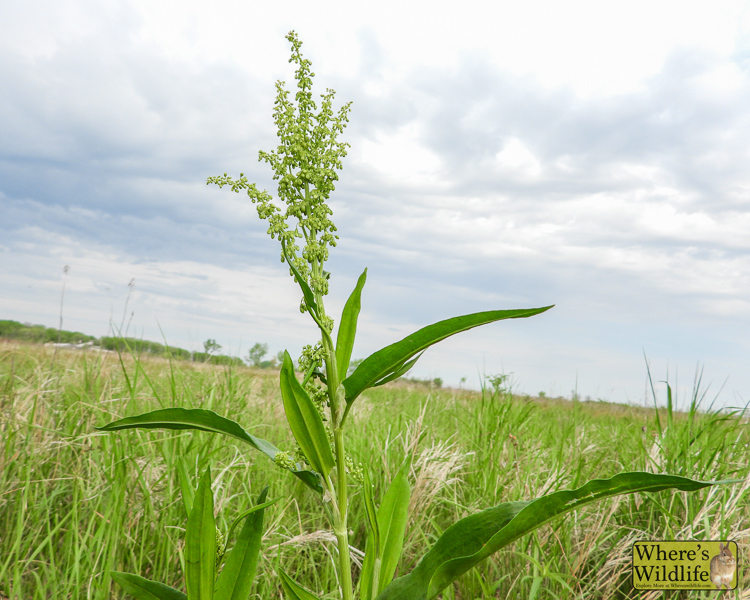
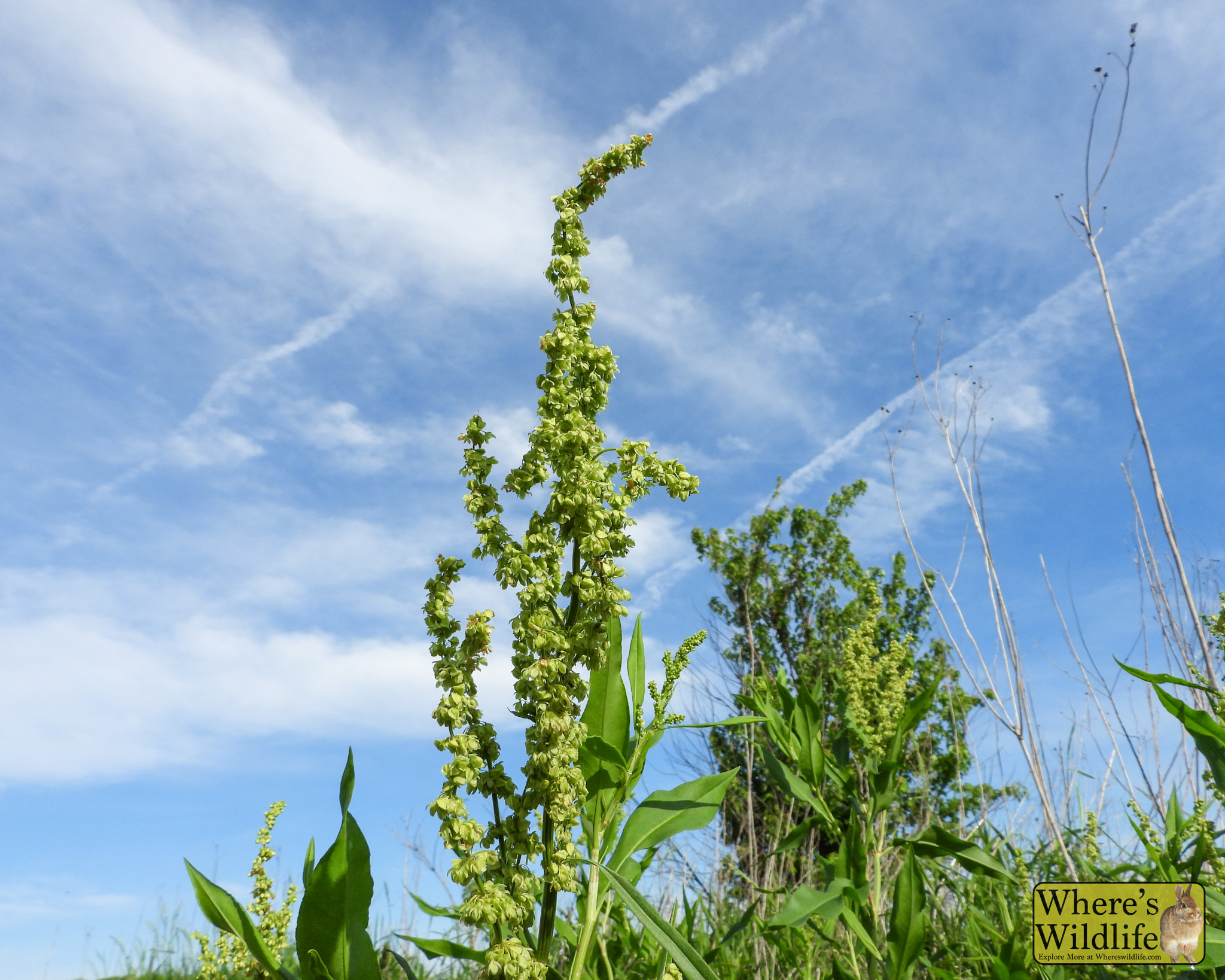
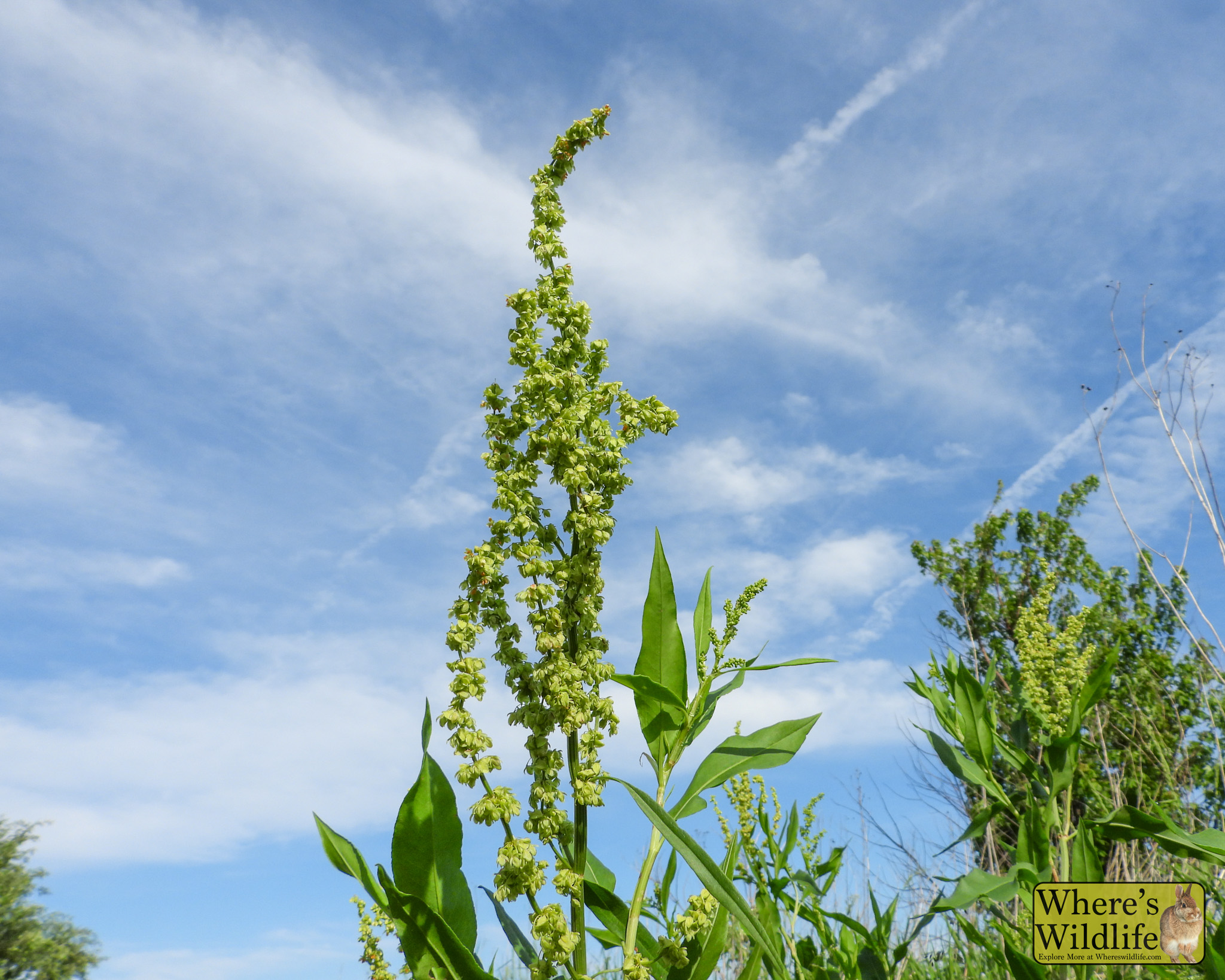
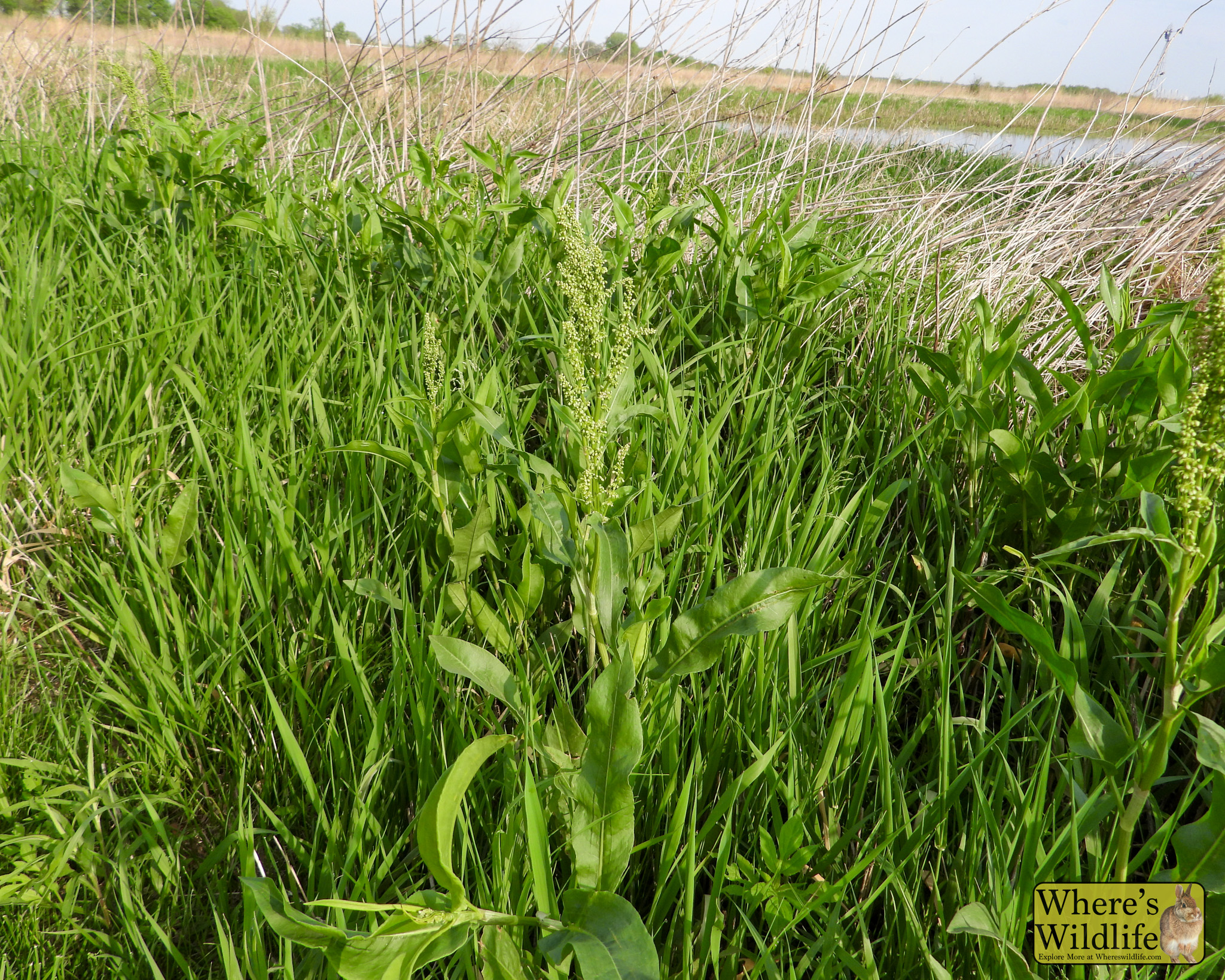
Field photographs

Compare flowers, foliage and the plant in its habitat. Select any photo to enlarge it.

How to recognize it

Save a close view of mature fruit

Three enlarged inner tepals surround each seed. In Pale Dock they are mostly triangular, usually with one prominent grain-like swelling. Photograph several mature examples from more than one angle.

Where and when to look

Wetland Wildflower
Blooms: May – July

Habitat: Pale Dock prefers full or partial sun with wet to mesic conditions and a rich fertile soil. Look for Pale Dock in moist black soil prairies, clay prairies, prairie swales, moist meadows around woodlands and streams, thickets, riverbanks, low areas around lakes and ponds, roadsides ditches, areas along railroads, pastures, and waste areas.

Range & sightings

Native to parts of North America, including the United States.

Reported U.S. distribution
AL, AR, AZ, CO, CT, DC, DE, GA, IA, IL, IN, KS, KY, LA, MA, MD, ME, MI, MN, MO, MS, NC, NE, NH, NJ, NM, NY, OH, OK, PA, RI, SC, SD, TN, TX, VA, WI, WV

State records describe documented distribution, not presence in every county. A state record alone does not establish that every population there is native. The observation map shows reported sightings and may include cultivated plants.

Distribution source: USDA PLANTS.

Observations show reported sightings; they do not define the plant’s complete native range.

A closer look

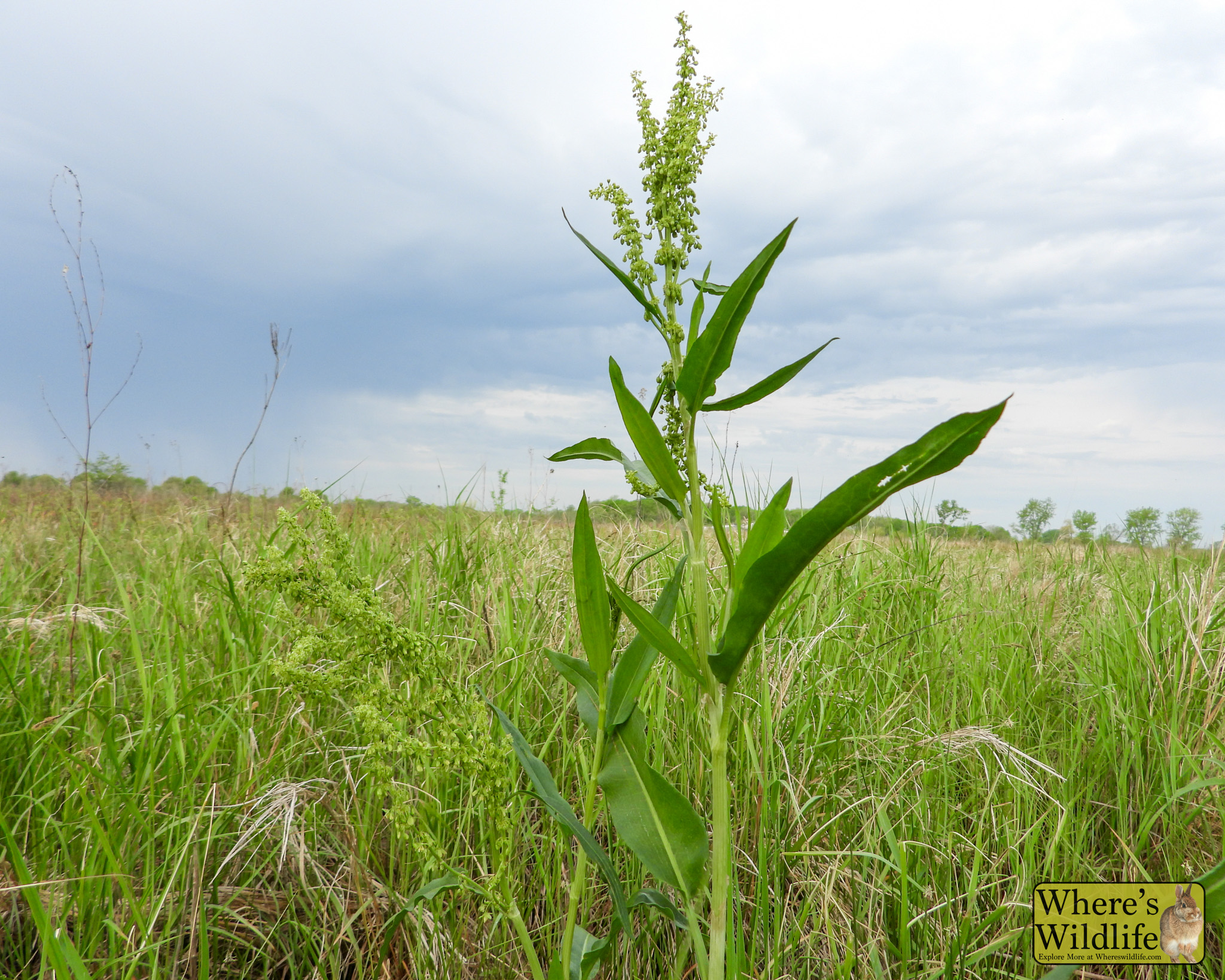
Small green flowers form repeated whorls

Numerous stalked flowers circle branches of the upper cluster. Lower whorls are more separated. Include an entire branch and a close view to show both the spacing and individual flowers.

Look for the sheath around the stem

A brownish papery sheath surrounds the stem at each leaf base and wears away with age. Lower leaves are larger and longer-stalked than those higher on the plant.

Follow green clusters as they turn brown

The persistent tepals dry around the single seed. Record a flowering plant and a later fruiting cluster; mature structures usually provide stronger identification evidence than a distant green plant.

Compare leaf edges with Curly Dock

Rumex altissimus

Rumex crispus

Pale Dock’s leaves can be somewhat wavy but lack the strongly crinkled margins typical of Curly Dock. Other docks also have flat leaves, so confirm the fruit details as well.

Keep learning

Study the photographs and field notes for Pale Dock, then practice identifying this and other wildflowers in the quiz.

Share this:

Like this:

Like Loading…