WHERE’S WILDLIFE • WILDFLOWER FIELD GUIDE

Rose Pogonia

Pogonia ophioglossoides

poh-GOH-nee-uh oh-fee-oh-gloss-OY-deez · pronunciation guide [1]

NATIVE • BOGS & WET MEADOWS

At a glance

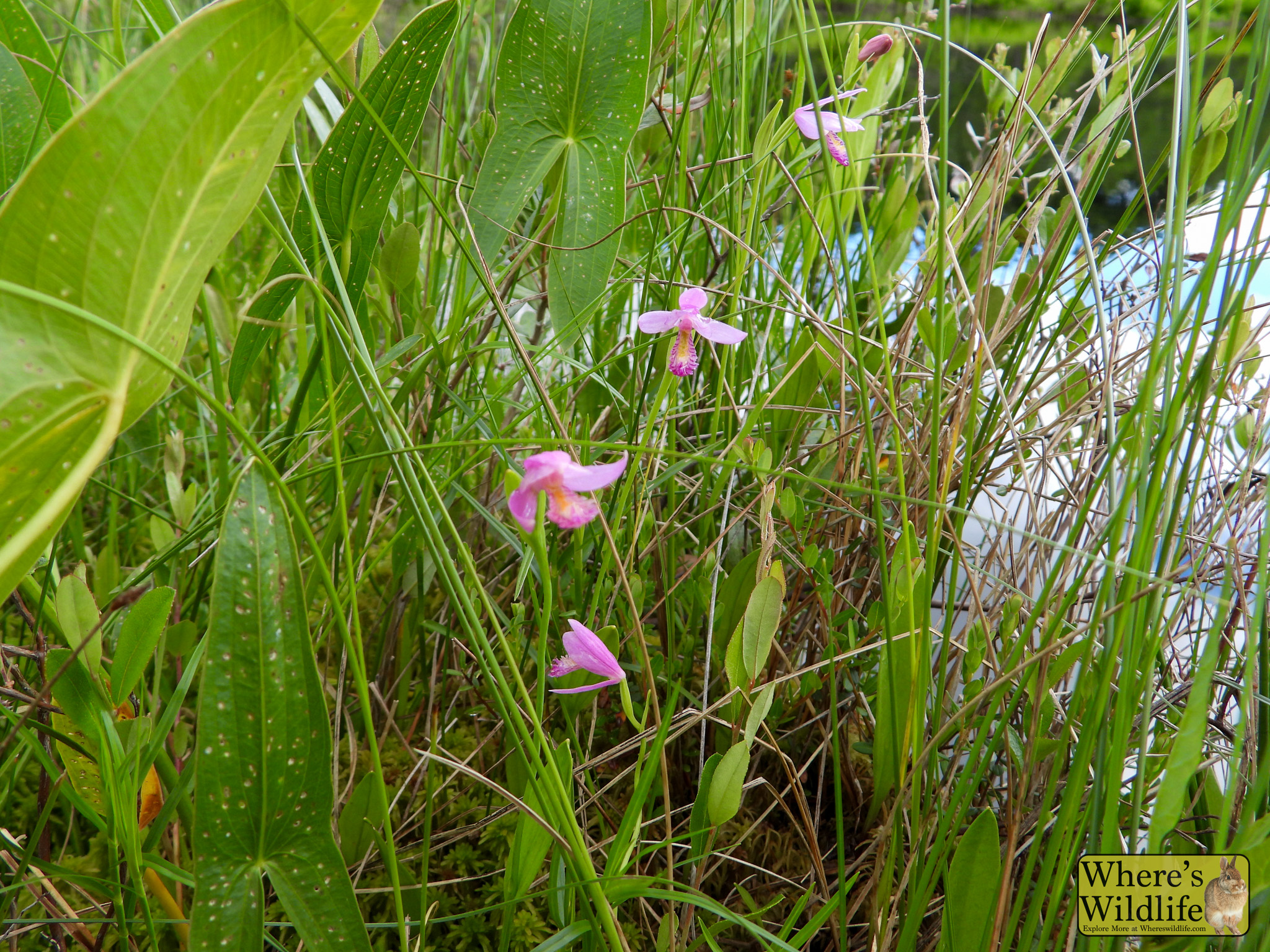
Light & habitat   Part shade, sun; coniferous bogs, swamps, peatlands, wet meadows, open woods

Bloom timing and mature height vary with location and growing conditions. Sources: Minnesota Wildflowers.

Family   Orchidaceae · orchid family
Life cycle   Perennial orchid
Blooms   June–July in the Upper Midwest; earlier south, sometimes into August north [3]
Height   Usually 6–18 inches [2]
Habitat   Bogs, fens, wet meadows, swamps and damp open woods [2]

Other common names
Snake-mouth Orchid · Snakemouth · Adder’s-mouth Pogonia · Beard Flower · Rose Crested Orchid · Rose Crest-lip. [1] [2]

Range Map

Open the map to explore photographed observations and their locations.

View photos & full species guideHide photos & full species guide

Field photographs

19 field photographs. Select a photograph to enlarge it.

How to recognize it

Follow three field clues

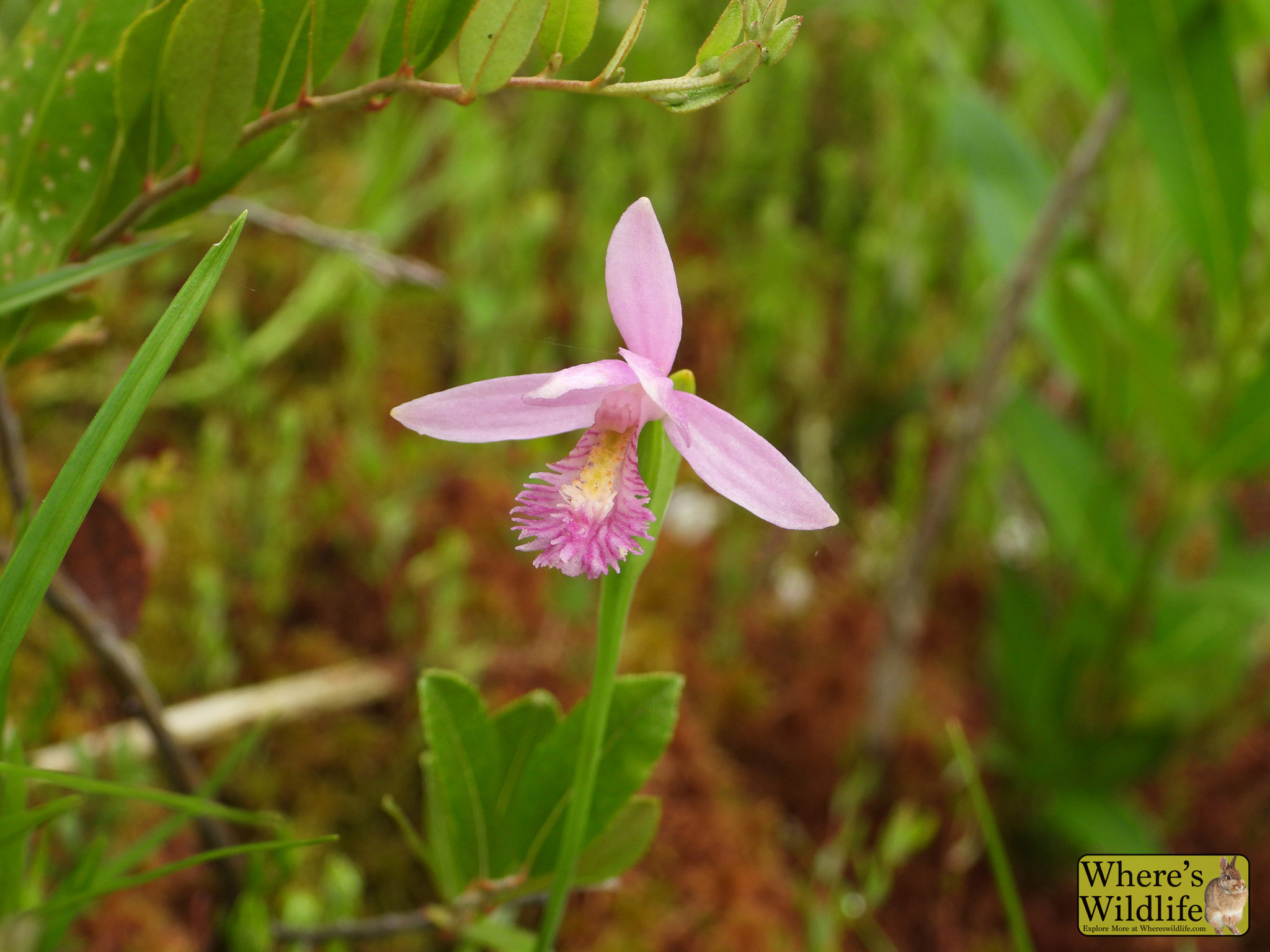
01 · A fringed, bearded lip
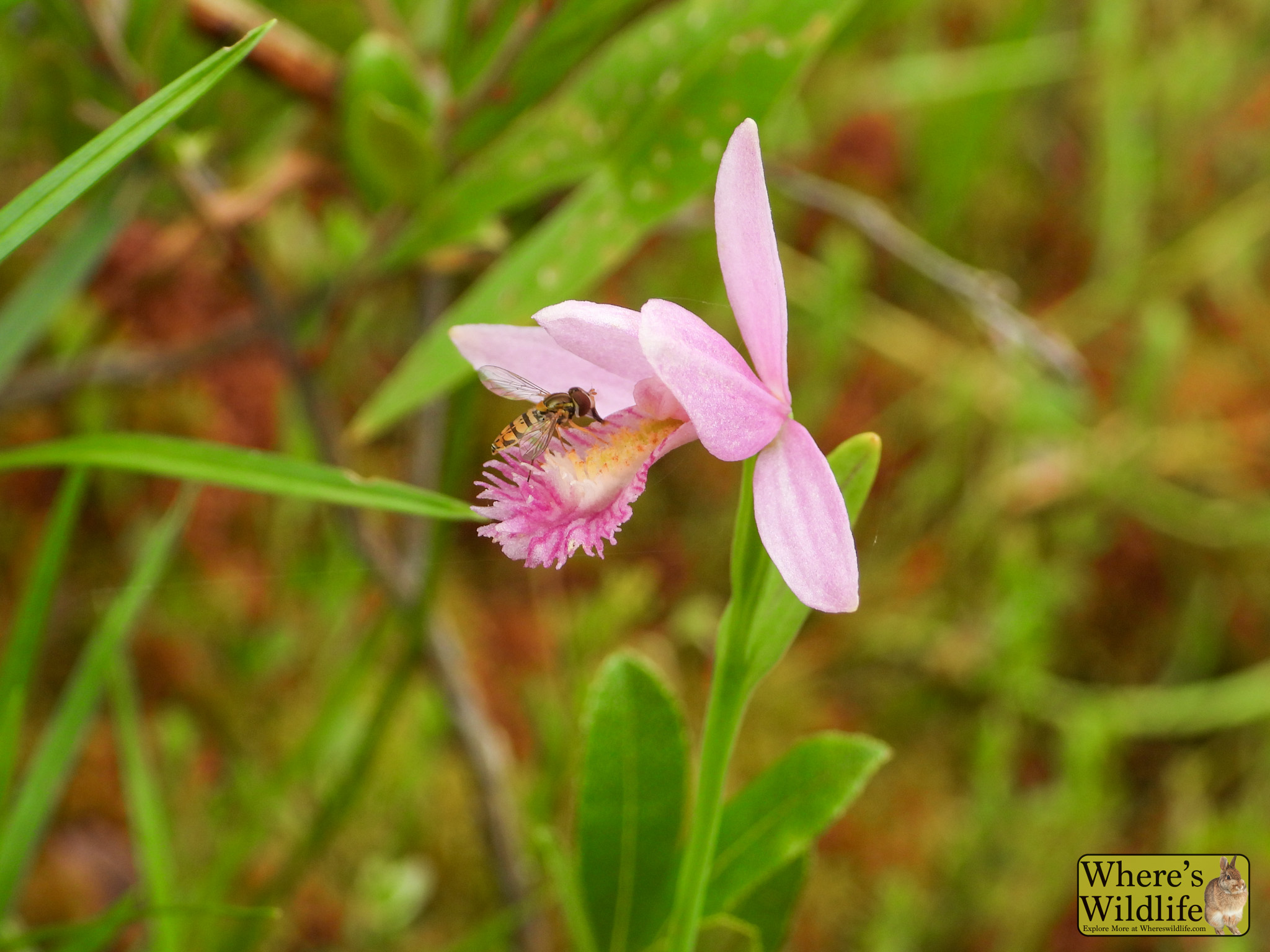
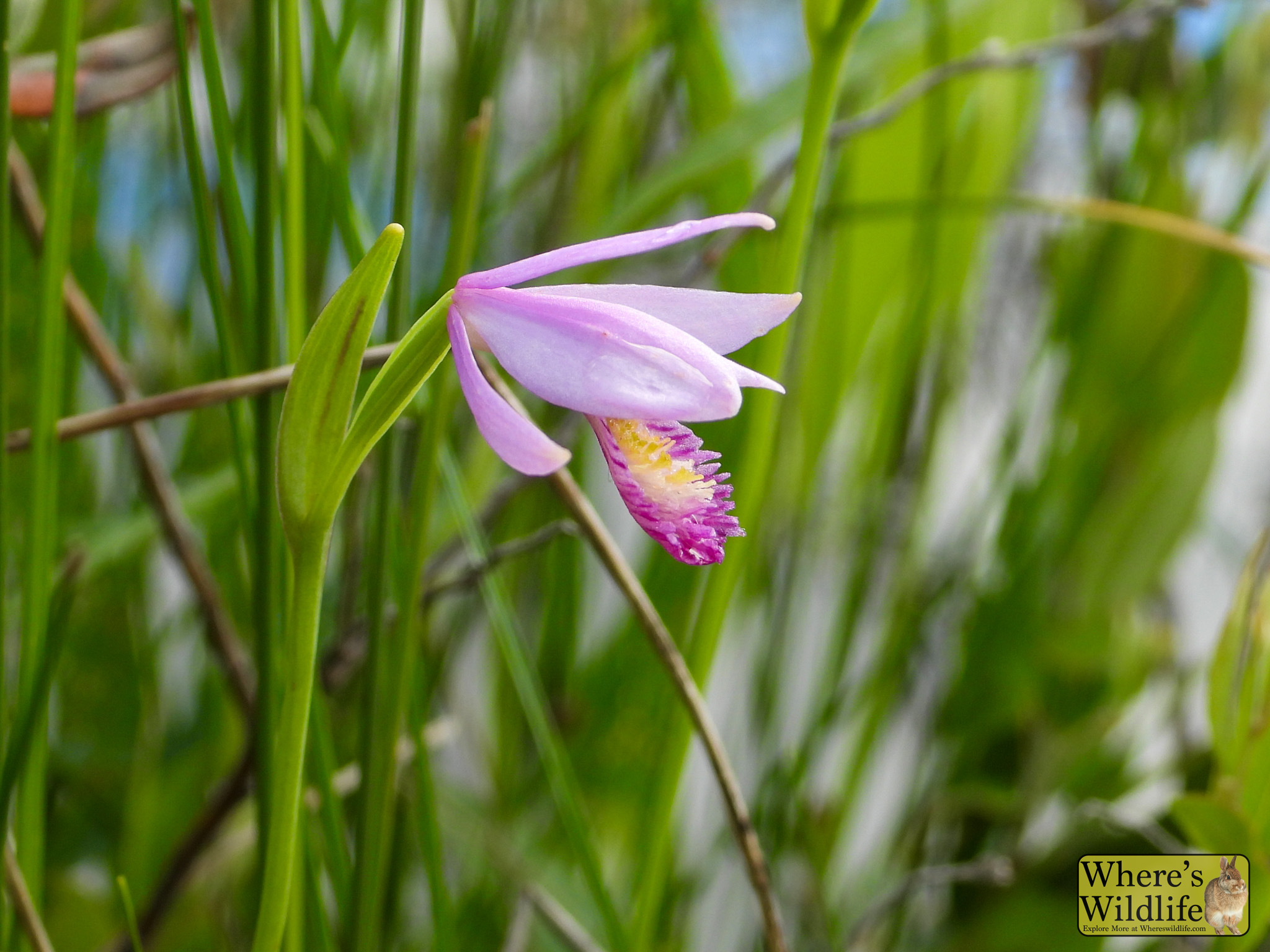
The lower pink petal has ragged edges and conspicuous hairs along its center.

02 · One stem leaf
A single elliptical leaf usually clasps the stem about halfway up.

03 · Usually one flower
A slender stalk carries a pink bloom, with a small leaflike bract behind it. [2]

Where and when to look

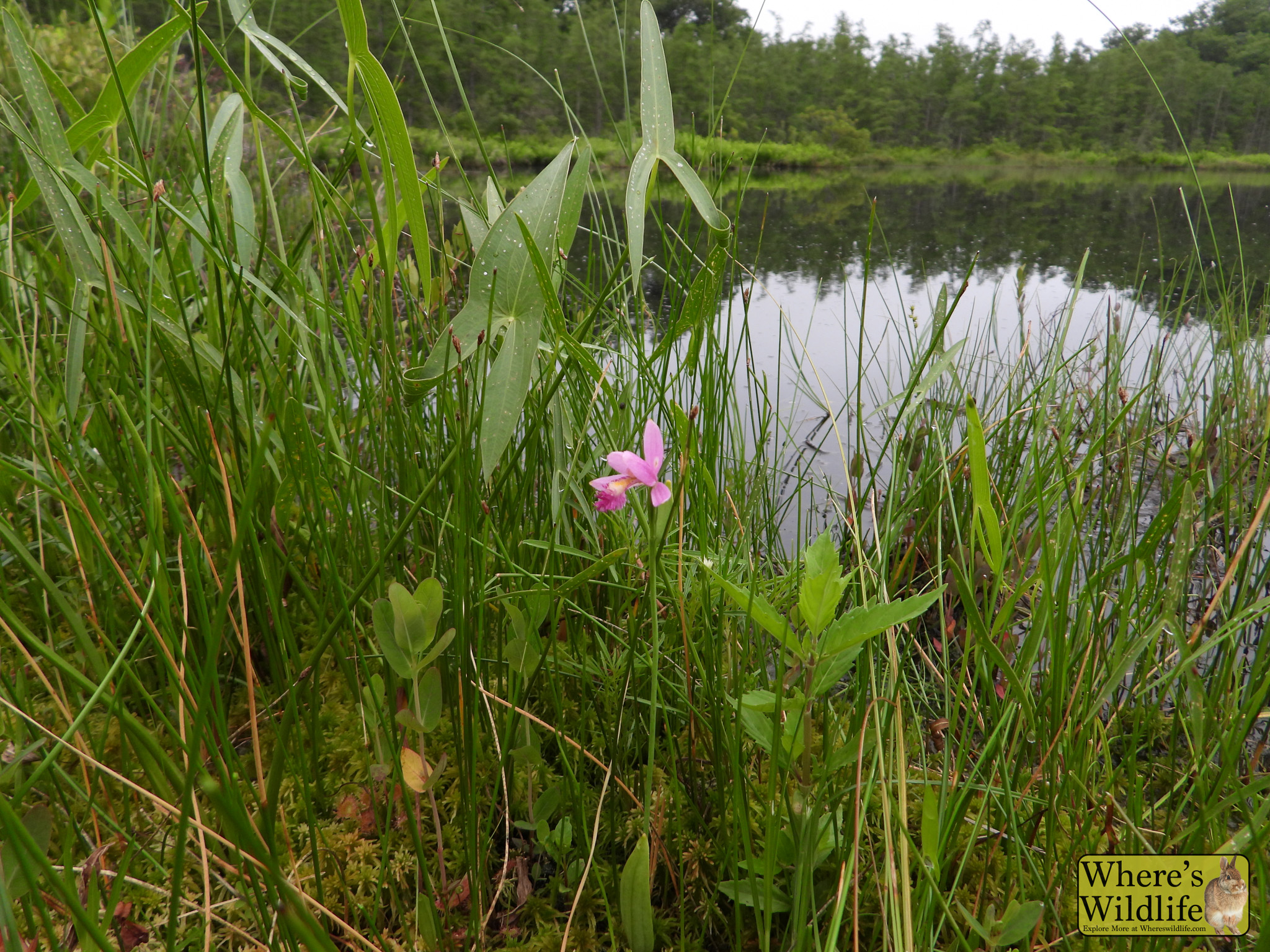
Look among wetland grasses and sedges in sunny or partly shaded peatlands. Regional flowering dates vary widely, from spring in the south to summer farther north. [2] [3]

Range & sightings

Native to parts of North America, including the United States.

Reported U.S. distribution
AL, AR, CT, DC, DE, FL, GA, IL, IN, KY, LA, MA, MD, ME, MI, MN, MO, MS, NC, ND, NH, NJ, NY, OH, OK, PA, RI, SC, TN, TX, VA, VT, WI, WV

State records describe documented distribution, not presence in every county. A state record alone does not establish that every population there is native. The observation map shows reported sightings and may include cultivated plants.

Distribution source: USDA PLANTS.

Observations show reported sightings; they do not define the plant’s complete native range.

A closer look

Read the flower’s structure

Two petals form a hood above the ornate lip. The outer sepals are also pink, making the flower look more petal-filled at first glance. [2]

Color is only one clue

Most blooms are pink, but white flowers also occur. Use the fringed lip and single stem leaf along with color. [3]

From flower to seed capsule

After flowering, an upright or outward-pointing capsule develops. It changes from green to brown and eventually opens to release tiny seeds. [1]

The detail worth photographing

Photograph the fringed lip from the front, then take a side view that includes the bract and stem leaf. Include a wider habitat view without disturbing nearby plants.

Ecology

Bumblebees visit the flowers. As a bee probes inside, pollen can attach to its head and travel to another bloom. [3]

Keep learning

Compare the flower and leaf details, then practice identifying Rose Pogonia using common or scientific names in the quiz.

Rose Pogonia clipart

Transparent PNG clipart. Select a design for file specifications, licensing and download details. Purchased files do not include the preview watermark.

Rose Pogonia

Pogonia ophioglossoides
IMG0427

$1.99 · transparent PNG

Rose Pogonia

Pogonia ophioglossoides
IMG0428

$1.99 · transparent PNG

Rose Pogonia

Pogonia ophioglossoides
IMG0429

$1.99 · transparent PNG

Rose Pogonia

Pogonia ophioglossoides
IMG0430

$1.99 · transparent PNG

Rose Pogonia

Pogonia ophioglossoides
IMG0431

$1.99 · transparent PNG

Rose Pogonia

Pogonia ophioglossoides
IMG0432

$1.99 · transparent PNG

Rose Pogonia

Pogonia ophioglossoides
IMG0433

$1.99 · transparent PNG

Rose Pogonia

Pogonia ophioglossoides
IMG0434

$1.99 · transparent PNG

Clipart savings: 1–5 files $1.99 each · 6–10 files $1.66 each · 11+ files $1.25 each. Discounts are applied automatically to eligible clipart in the cart.

Share this:

Like this:

Like Loading…