WHERE’S WILDLIFE • WILDFLOWER FIELD GUIDE

Catnip

Nepeta cataria
NON-NATIVE • WILDFLOWER

At a glance

Family   Lamiaceae · mint family
Life cycle   Perennial
Blooms   July–October (Upper Midwest)
Height   1–4 feet
Light & habitat   Shade, sun; fields, deciduous woods, woodland edges, roadsides, railroads

Common names
Catnip · Cat mint

Bloom timing and mature height vary with location and growing conditions. Sources: Minnesota Wildflowers.

Range Map

Explore photographed sightings and their locations.

View photos & full species guideHide photos & full species guide

Field photographs

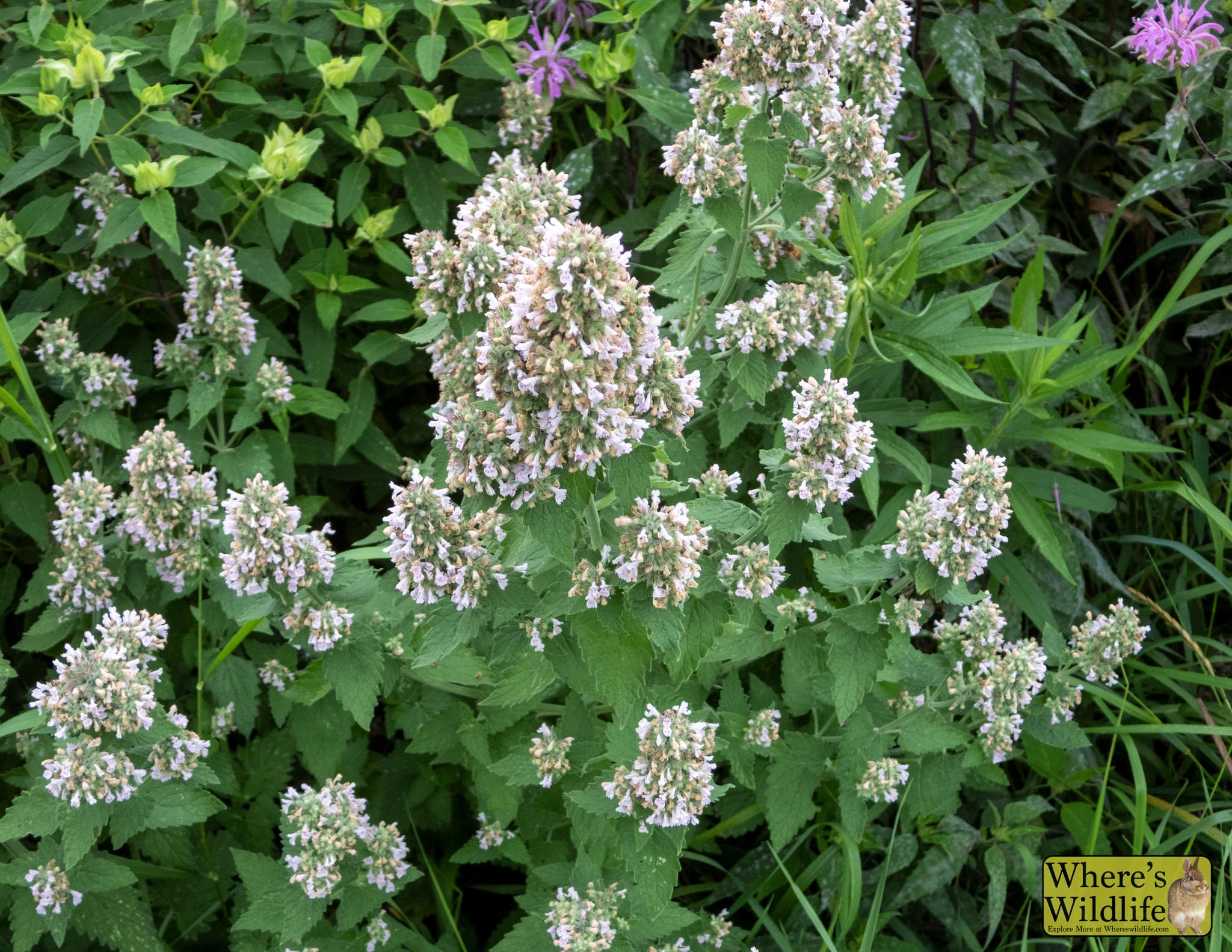
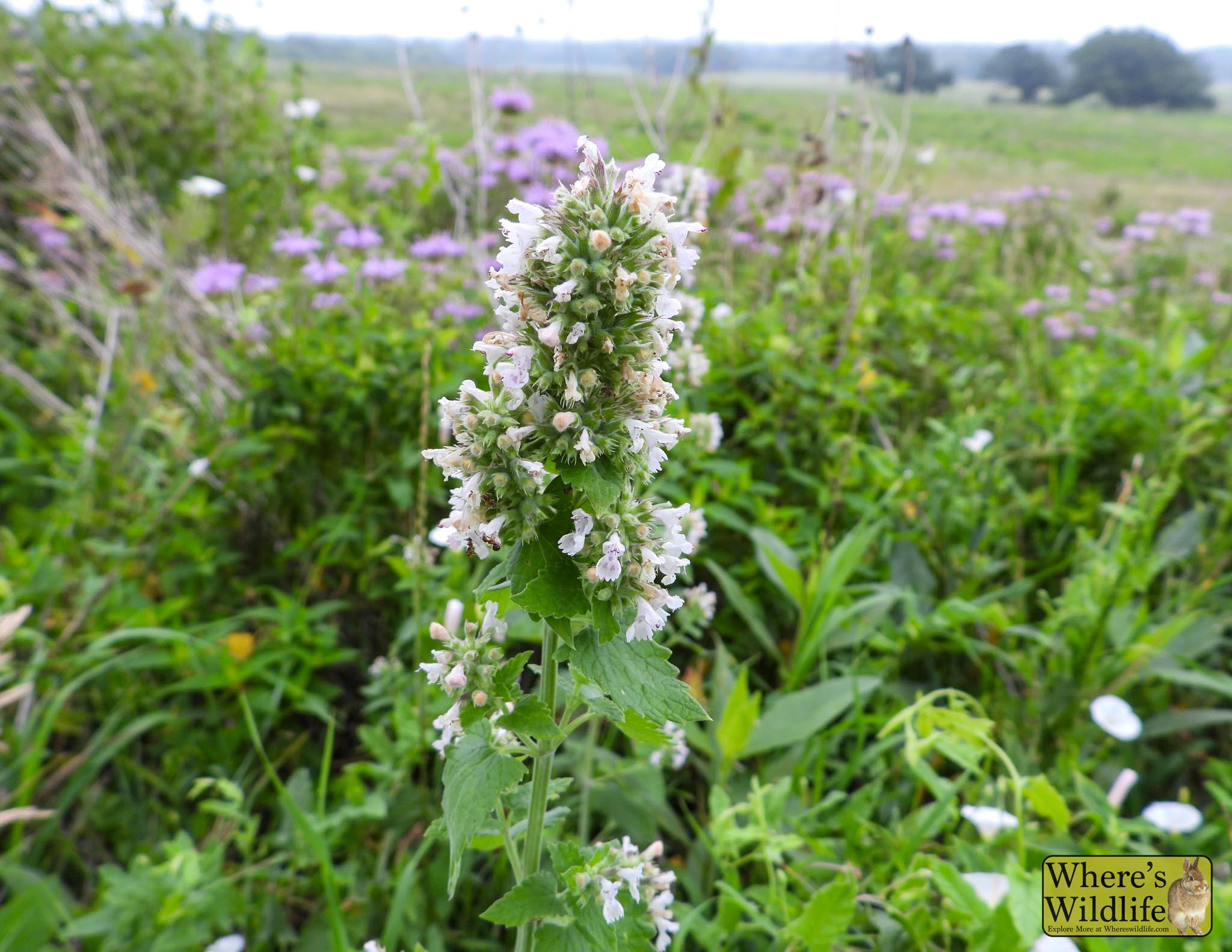
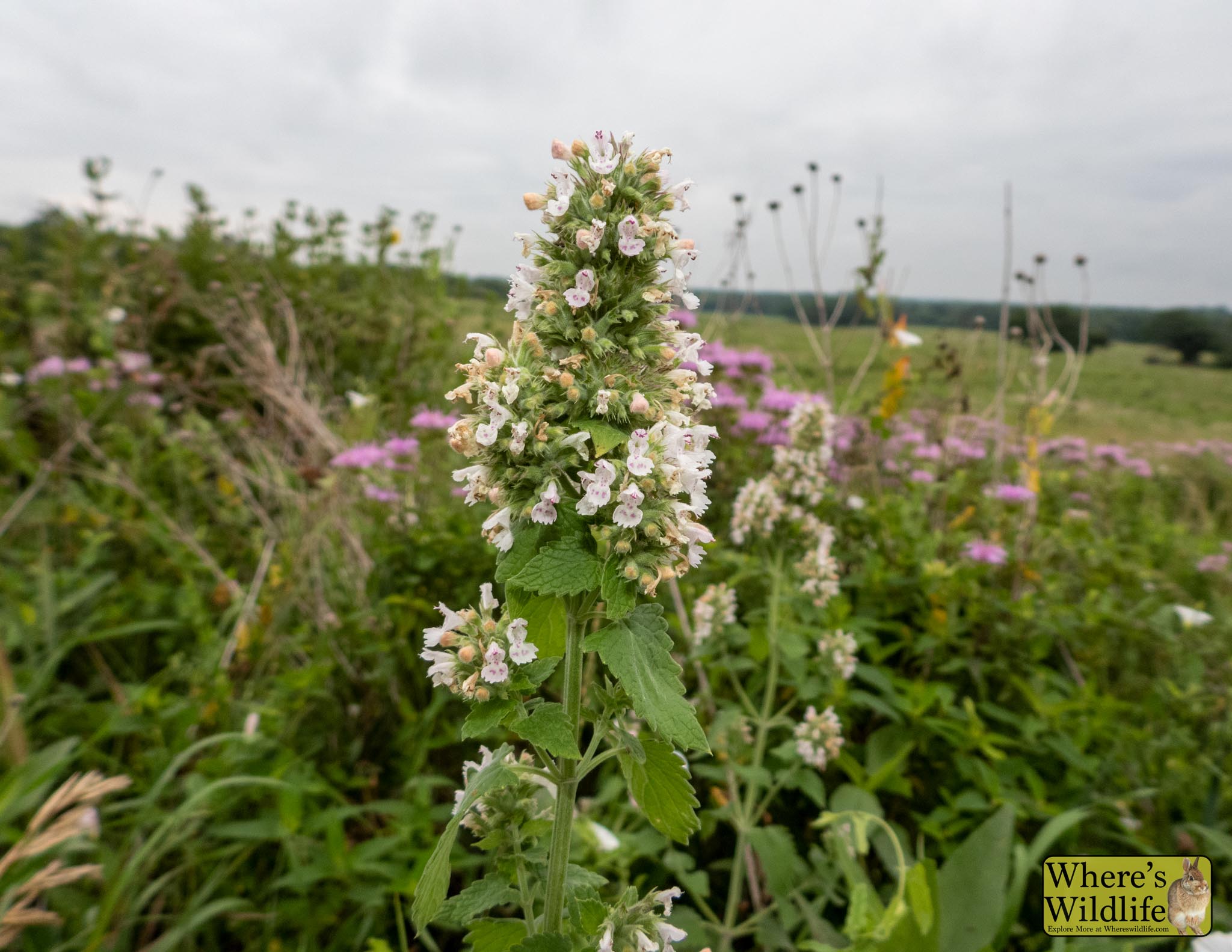
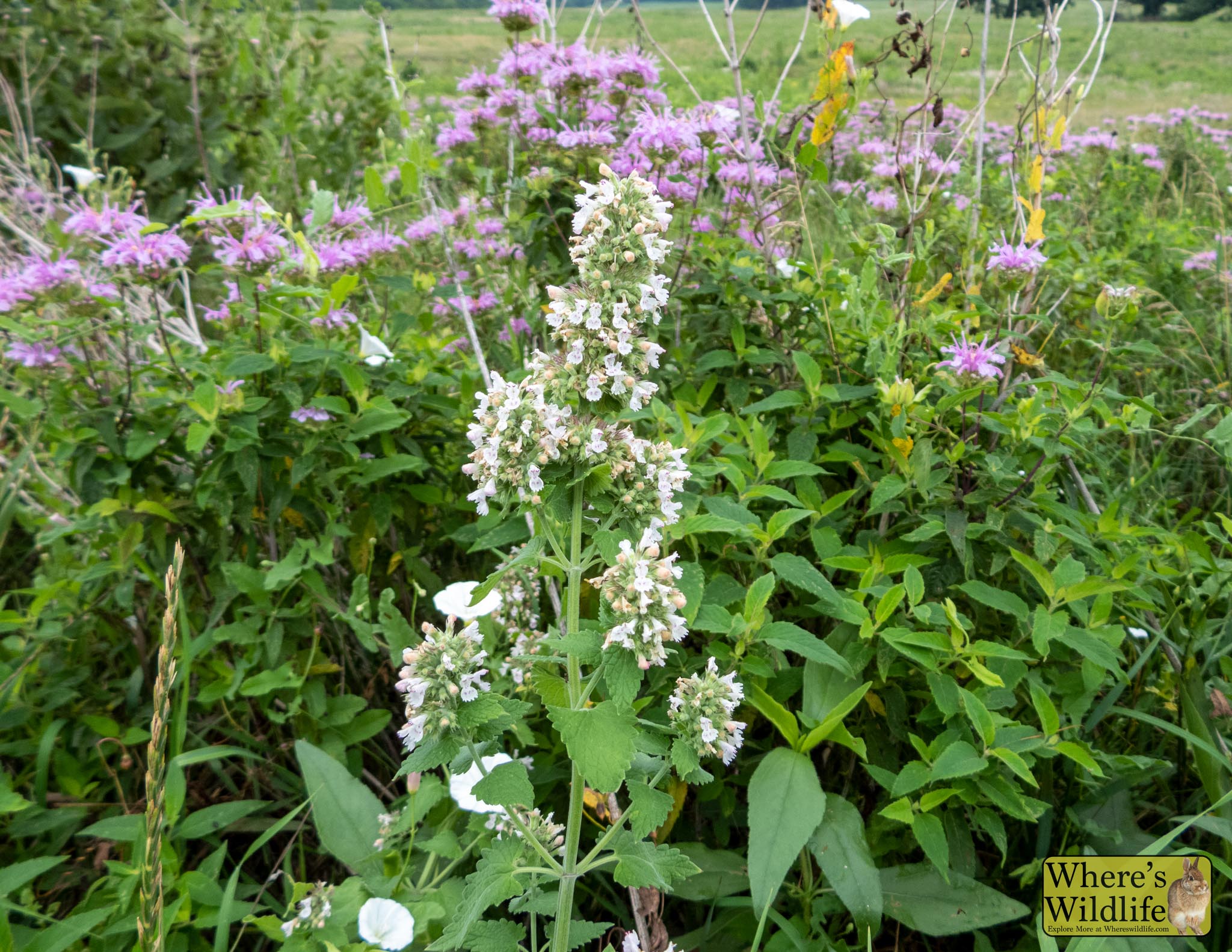
Compare flowers, foliage and the plant in its habitat. Select any photo to enlarge it.

How to recognize it

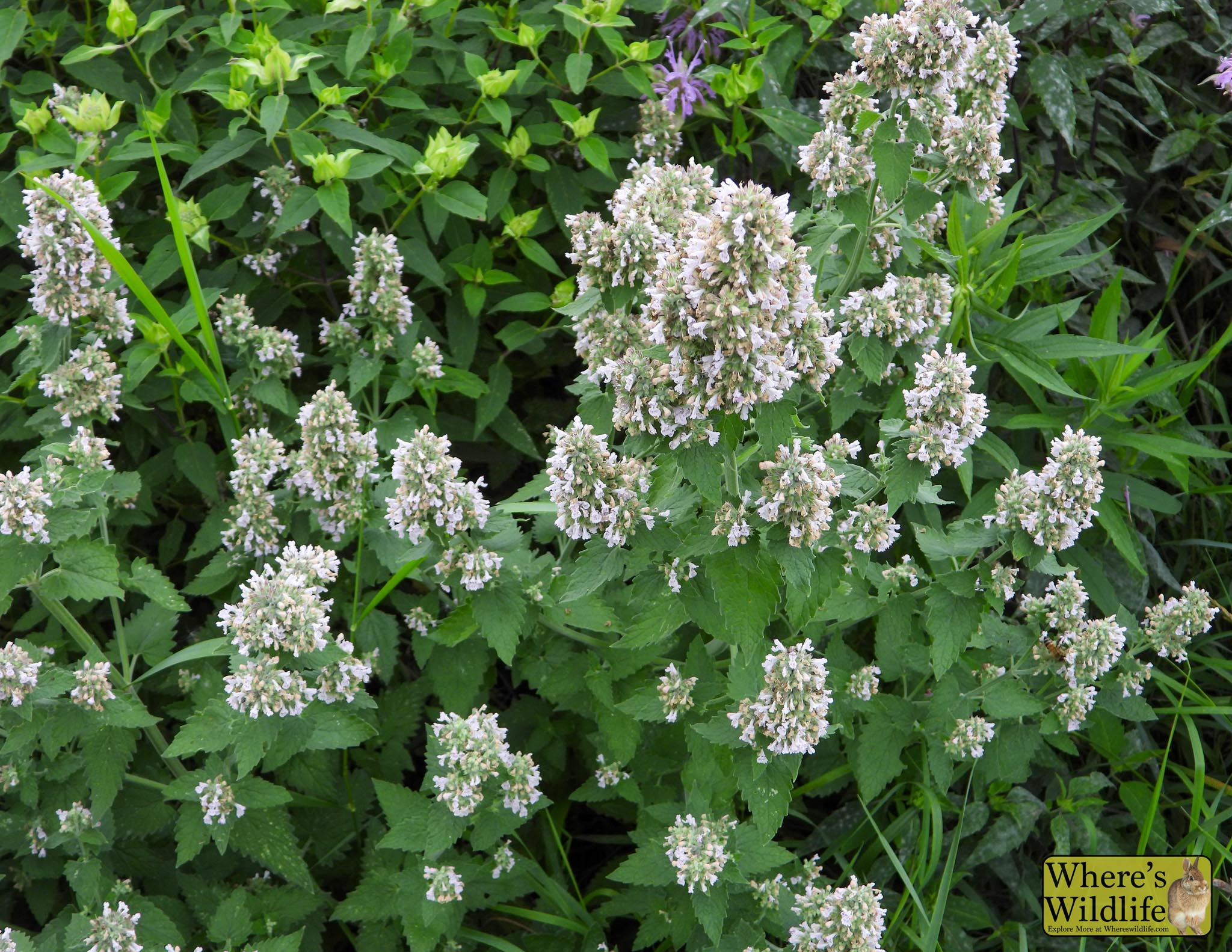
Soft leaves and pale flowers

Look for opposite, short-stalked leaves with rounded teeth and a heart-shaped or oval outline. The square stems are densely hairy and branch toward clusters of white to pale lavender flowers.

Where and when to look

Blooms: July – October

Habitat: Catnip is an adaptable plant that grows in full or partial sun, moist to dry conditions. Look for Catnip in fields, deciduous woods, woodland edges, roadsides, and along railroads.

Range & sightings

Non-native in the United States; introduced populations are documented here.

Reported U.S. distribution
AK, AL, AR, AZ, CA, CO, CT, DC, DE, GA, IA, ID, IL, IN, KS, KY, LA, MA, MD, ME, MI, MN, MO, MS, MT, NC, ND, NE, NH, NJ, NM, NV, NY, OH, OK, OR, PA, RI, SC, SD, TN, TX, UT, VA, VT, WA, WI, WV, WY

State records describe documented distribution, not presence in every county. A state record alone does not establish that every population there is native. The observation map shows reported sightings and may include cultivated plants.

Distribution source: USDA PLANTS.
Observations show reported sightings; they do not define the plant’s complete native range.

A closer look

A spotted lower lip

The flower’s upper lip has two small lobes, while the lower lip spreads into a broad central lobe and two smaller side lobes. Pink or purple dots contrast with its pale background.

Four nutlets remain

The hairy, five-toothed calyx remains after the flower fades and holds four one-seeded nutlets. A close look at an older cluster reveals reproductive structures long after the showiest stage.

An escape from cultivation

Originally from Europe, Catnip now grows outside gardens in fields, woodland edges, and other disturbed places. Its occurrence in both sunny and shaded sites shows why habitat alone is not a dependable identification.

Inspect the whole flower

Several mints share square stems and paired leaves. For Catnip, include the thick, branched flower clusters and the broad, spotted lower lip rather than relying only on leaf shape.

Keep learning

Study the photographs and field notes for Catnip, then practice identifying this and other wildflowers in the quiz.

Share this:

Like this:

Like Loading…